Englands Lane bulky waste collection for Belsize Village
Posted on 17/07/2026
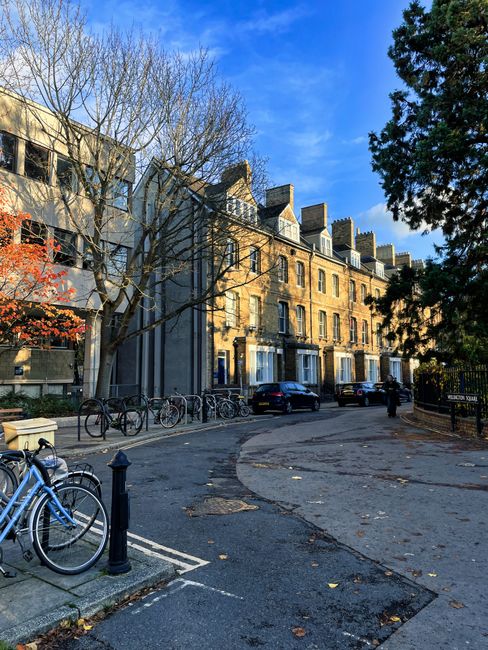
Englands Lane bulky waste collection for Belsize Village: a practical local guide
If you live near Englands Lane and need bulky waste collection for Belsize Village, the job can feel oddly awkward. A sofa that looked manageable in the flat suddenly becomes a stairwell problem. A broken wardrobe sits in the hallway. The old mattress waits by the door like it owns the place. Truth be told, that is exactly when a clear plan helps.
This guide explains how Englands Lane bulky waste collection for Belsize Village typically works, what to prepare, what to avoid, and how to choose the right disposal route for furniture, appliances, general household items, and mixed loads. It is written for real-life situations, not theory. If you want a cleaner exit from a clearance job, this should help.
- Why it matters
- How the collection process works
- Key benefits and practical advantages
- Who needs this service
- Step-by-step guidance
- Expert tips for better results
- Common mistakes to avoid
- Tools, resources and recommendations
- Law, compliance and best practice
- Options and comparison table
- Case study
- Practical checklist
- Conclusion
- Frequently asked questions
Why Englands Lane bulky waste collection for Belsize Village Matters
Bulky waste is not the kind of thing you can quietly tuck into a kitchen bin. It is the larger stuff: mattresses, divan bases, wardrobes, chests of drawers, broken shelving, old desks, white goods, and those awkward items that are too heavy, too big, or too messy for ordinary disposal. Around Belsize Village, that matters because homes, flats, and converted properties often have tight hallways, shared entrances, and limited space for storage.
When bulky items sit around, they start to create friction. They block access, make cleaning harder, and can even become a safety issue. In smaller homes, one oversized item can make a whole room feel unavailable. You will notice this especially in the warmer months, when windows are open and clutter starts to feel louder somehow. A pile of waste in a front room is never just a pile; it becomes a daily irritation.
There is also the visual side. Belsize Village has a distinctive residential feel, and that sense of order is part of what people value about the area. Keeping bulky waste under control supports that character. For people moving in, moving out, renovating, or clearing a home after years of accumulation, a practical collection service can remove the stress that tends to build up around the job.
If you are thinking beyond one-off disposal, it is worth looking at the wider picture too. A good waste approach can support reuse, recycling, and a tidier property overall. That is why some readers also explore recycling and sustainability alongside collection options. It is not about being perfect. It is about making a better choice where you can.
How Englands Lane bulky waste collection for Belsize Village Works
The process is usually more straightforward than people expect, although a bit of preparation makes a big difference. In most cases, bulky waste collection starts with identifying what needs to go, checking access, and deciding whether the load is a single item, a mixed collection, or part of a wider clearance job.
For example, a resident clearing an old spare room may have a bed frame, a mattress, a broken desk chair, and several bags of general rubbish. That is a different job from someone disposing of one fridge-freezer. The more clearly you describe the waste, the easier it is to plan the collection properly.
A well-run collection normally follows a simple logic:
- List the items and separate anything reusable from actual waste.
- Check whether anything needs special handling, such as electrical equipment or liquids.
- Make sure the items can be reached without major obstruction.
- Schedule a collection that suits the property, neighbours, and building access.
- Remove the waste efficiently and sort it for recycling or disposal where appropriate.
In busier streets near Englands Lane, timing and access matter more than people think. A van waiting too long outside a property can be inconvenient. Narrow staircases can turn a five-minute lift-out into a careful two-person manoeuvre. That is normal. It is just part of working in London's older housing stock.
Some loads fit neatly into wider services such as rubbish collection in Belsize Park or even a fuller waste removal arrangement if you have several types of waste at once. If your bulky items are only one piece of a larger clear-out, that wider option can be the calmer route. Less back and forth. Less fuss.
Key Benefits and Practical Advantages
The obvious benefit is getting rid of things you no longer need. But there is more to it than that. A good bulky waste collection service can save time, protect your back, reduce household clutter, and stop you from making repeated trips to a disposal point with a car that is never quite large enough. Let's face it, a wardrobe and a hatchback do not enjoy each other much.
Here are some of the most useful advantages:
- Speed: one collection can clear a space that might otherwise take all weekend.
- Convenience: no need to wrestle heavy items down stairs or around tight corners on your own.
- Safer handling: bulky waste can be awkward, sharp, dusty, or simply too heavy for one person.
- Better organisation: once the large items go, it is easier to sort the rest of the room.
- More suitable disposal routes: recyclable materials and reusable items can be separated more sensibly.
There is also a strong practical value for landlords, tenants, sellers, and people refreshing a property before photographs or viewings. If you are preparing a home for sale or rental, removing tired furniture and oversized waste can make rooms feel larger and more inviting. For property owners, related reading like buy and sell tips for Belsize Park property may also be useful when you are getting a space ready for the market.
Expert takeaway: the best bulky waste collection is rarely the cheapest-looking one on paper; it is the one that saves you time, avoids damage, and handles the load cleanly the first time.
Who This Is For and When It Makes Sense
This service is useful for a lot of people, and not only for big clearance jobs. In practice, Englands Lane bulky waste collection for Belsize Village tends to suit people who need a fast, orderly solution for one or more large items that are hard to move or dispose of safely.
Typical situations include:
- moving out of a flat and clearing old furniture
- replacing a mattress, wardrobe, sofa, or dining set
- preparing a rental property between tenancies
- tidying up after a loft, room, or storage clear-out
- disposing of renovation leftovers that are too bulky for ordinary bins
- clearing garden furniture or outdoor items after weather damage
- removing electrical appliances that are no longer usable
It also makes sense when the item is physically difficult to get downstairs. You can have the right intentions and still get stuck halfway. That is where professional handling becomes more than a convenience. For wider household clearances, services like house clearance in Belsize Park or loft clearance in Belsize Park may fit better, especially if the bulky item is part of a bigger job.
If the waste is limited to sofas or chairs, furniture removal in Belsize Park or furniture disposal in Belsize Park can be a neat match. If the item is a white good, it is better to check a specific appliance route such as white goods and appliance disposal in Belsize Park.
Step-by-Step Guidance
If you want the collection to go smoothly, a little prep pays off. Nothing fancy. Just sensible, practical preparation.
- Identify the items clearly. Make a list by room if needed. A quick photo on your phone helps when explaining the job.
- Sort by type. Separate furniture, appliances, metal items, garden waste, and general rubbish where possible.
- Check access. Think about stairs, parking, lift access, shared hallways, and whether the item needs dismantling.
- Remove personal items. Drawers, cupboard shelves, loose papers, cables, and small belongings are easy to forget.
- Flag anything unusual. Paint tins, chemicals, gas bottles, or unknown contents need special caution.
- Prepare the route out. Clear shoes, prams, bikes, or anything else from the path.
- Confirm the collection plan. Make sure everyone involved understands what is being taken.
One small but useful habit: stand in the room and look at the item from the doorway. If it already seems tight in daylight, it will feel tighter on the stairs. That is a decent rule of thumb. Not scientific, but useful.
For people combining bulky waste with domestic clutter, a general domestic waste collection service in Belsize Park may help keep the job simple. If the whole property needs clearing, it can be worth comparing that with a broader services overview so you do not book the wrong type of help.
Expert Tips for Better Results
In our experience, the difference between a smooth collection and a messy one usually comes down to details. Small things. The kind you only notice when they go wrong.
- Photograph the items before collection. It makes quoting and planning easier, and there is less room for misunderstanding.
- Measure oversized items. A few centimetres can matter in narrow hallways, especially in older buildings.
- Strip items down where possible. Removing legs, doors, or shelves can save time and reduce breakage risk.
- Keep mixed waste separate. Furniture mixed with rubble, garden waste, or metal can complicate the job.
- Book before the pile grows. Once rubbish starts spilling into living space, the whole room feels more chaotic.
- Think about reuse first. If something is still in decent condition, it may not need to be treated as waste at all.
If you are trying to save money, it is tempting to compress everything into one bundle and hope for the best. But bulky waste is one of those areas where clarity usually saves more than improvisation. A clear description tends to get a clearer result. Simple as that.
For a practical sustainability angle, the article on the impact of recycling on the environment is a good companion read. It can help you think more carefully about what should be reused, recycled, or responsibly disposed of.

Common Mistakes to Avoid
People often assume bulky waste is straightforward because the item is already "obviously rubbish". That assumption causes headaches. Here are the mistakes we see most often.
- Leaving items until the last minute. This creates pressure and often leads to bad decisions.
- Not measuring access. A sofa that seems fine in the room can become a problem at the front door.
- Mixing hazardous items with ordinary waste. That is a poor idea, and sometimes a dangerous one.
- Assuming all waste is the same. Furniture, appliances, wood, and electricals often need different handling.
- Forgetting about shared access spaces. In flats and terraces, neighbours and communal areas matter.
- Skipping proof of proper disposal. If you are the person arranging removal, you want confidence the waste is handled correctly.
Another common mistake is underestimating emotional clutter. Yes, really. A sideboard may be just furniture, but it might also be the last thing from a previous home, or the bit you kept meaning to repaint. If it has been sitting there for a year, you probably do not need it for sentimental reasons anymore. Maybe.
Tools, Resources and Recommendations
You do not need specialist equipment for every collection, but a few basic tools can make the process much easier. A tape measure, gloves, cardboard sheets for floor protection, a screwdriver set, and strong bin bags can all help. A dolly or trolley can be useful for heavier items if access allows it.
For larger or more complex jobs, it is often worth pairing bulky waste collection with a wider service approach. For example, if you are refreshing an office or workroom, office clearance in Belsize Park may be more suitable than moving item by item. If the waste comes from refurbishments, builders waste disposal in Belsize Park is the more relevant route.
Useful planning questions include:
- Can the item be dismantled without damage?
- Is it reusable, recyclable, or strictly waste?
- Will the collection need two people rather than one?
- Are there lift restrictions, time restrictions, or parking issues?
- Should the bulky item be grouped with another type of disposal?
And yes, it is worth checking the practical side of working with a provider too. Pages like insurance and safety, payment and security, and waste carrier licence and compliance help build trust before anything is booked. That trust matters. A lot.
Law, Compliance, Standards, or Best Practice
For bulky waste, the key point is simple: do not hand items to an unverified collector and assume everything will be fine. In the UK, waste must be handled responsibly, and anyone removing waste should be able to show they operate lawfully and follow proper disposal practice. That is the baseline. No drama, just good sense.
For households and landlords, best practice usually means:
- using a reputable waste carrier
- keeping a record of what was removed, where practical
- avoiding fly-tipping by checking the operator's compliance
- separating hazardous or specialist waste from ordinary bulky items
- choosing reuse or recycling where it is genuinely possible
If you manage a property, run a small office, or are clearing out after tenants, that standard becomes even more important. Waste issues can become landlord issues, and landlord issues can become everyone's problem, fast. The cleaner the process, the safer the outcome.
For readers who want a broader view of the company's values and operating standards, the pages on about us and terms and conditions are useful reference points. They are not exciting reading, admittedly, but they do help when you want to understand how a service is run.
Options, Methods, or Comparison Table
There is more than one way to deal with bulky waste, and the best choice depends on volume, access, urgency, and the type of item. Here is a practical comparison to help you decide.
| Option | Best for | Strengths | Trade-offs |
|---|---|---|---|
| Single-item collection | One sofa, mattress, appliance, or wardrobe | Simple, quick, minimal disruption | Not ideal for mixed loads or multiple rooms |
| Bulky waste with general rubbish | Mixed household clear-outs | Efficient for larger tidy-ups | Needs clearer sorting and planning |
| Furniture-focused removal | Sofas, tables, beds, wardrobes | Good for room refreshes and moving days | Less useful if the load includes other waste types |
| Full clearance service | Lofts, houses, offices, end-of-tenancy work | Covers a lot in one visit | May be more than you need for a single item |
As a rule of thumb, choose the smallest service that honestly fits the job. But if you are hesitating between two options, the wider one often saves time once the hidden bits appear. They always do, somehow.
For local readers comparing similar services, pages such as waste removal in Belsize Park and rubbish collection in Belsize Park can help clarify scope. If your project is broader still, the article on Haverstock Hill rubbish removal for NW3 homes may also be a useful nearby reference.
Case Study or Real-World Example
Here is a realistic scenario. A couple in a flat near Englands Lane decided to replace a large sofa, a damaged mattress, and a boxy old shelving unit that had sat in the spare room for years. They had also accumulated a few bags of forgotten clutter: broken lamps, paper files, and packaging from a home office move.
At first, they thought they could handle it in one car trip. Then they measured the sofa properly and realised the lift situation would be awkward. The shelving unit also needed dismantling. So the job shifted from a simple "take this away" task into a proper bulky waste collection with a little planning behind it.
What worked well for them:
- they grouped items by type before collection day
- they cleared the hallway and front entrance in advance
- they removed loose items from drawers and shelves
- they kept the load to items that genuinely needed removal
The result was calm, quick, and much less stressful than trying to improvise on the spot. A small room that had felt crowded suddenly opened up. You could hear the floorboards again, which sounds silly, but that quiet makes a place feel better. More liveable. More like home.
That kind of outcome is why the right collection approach matters. Not just because waste disappears, but because the room it leaves behind becomes useful again.
Practical Checklist
Use this checklist before your collection day. It is short for a reason. Long checklists look impressive and then nobody uses them.
- List every bulky item you want removed.
- Measure doors, stairs, and lifts if access may be tight.
- Separate furniture, appliances, and general rubbish where possible.
- Remove personal belongings from drawers, cupboards, and shelves.
- Check for hazardous contents in any container or appliance.
- Clear the route from the room to the exit.
- Confirm parking or loading access if needed.
- Decide what can be reused or recycled before anything leaves the property.
- Keep contact details and booking notes handy on the day.
- Do a final walk-through so nothing useful gets taken by mistake.
Practical summary: the smoother the prep, the easier the removal. And when bulky items are involved, a little prep saves a lot of bending, dragging, and mild regret.
If you are ready to sort things properly, the next sensible step is to compare the type of waste you have with the service that best fits it. A clear match saves time, avoids confusion, and usually makes the whole day feel lighter.
Get a free quote today and see how much you can save.
Conclusion
Englands Lane bulky waste collection for Belsize Village is really about making a difficult job feel manageable. Whether you are clearing one oversized item or a mixed pile of unwanted household goods, the key is to plan clearly, choose the right collection method, and avoid turning a simple task into a weekend headache.
The best results usually come from straightforward thinking: identify the items, understand the access, separate what can be reused, and use a compliant disposal route. That approach protects your time, your space, and your peace of mind. And frankly, that last one matters more than people admit.
If you live locally and need the space back, do not wait for the clutter to become part of the decor. A tidy exit is a good feeling. A very good feeling.